Group Calls for Stronger Laws, Education and Social Protection on International Day of the Girl Child
The organisation, citing UNICEF estimates, said more than 3.7 million Nigerian women aged 20 to 24 had been married before turning 18.

A New Perspective
The organisation, citing UNICEF estimates, said more than 3.7 million Nigerian women aged 20 to 24 had been married before turning 18.
Nigerian applicants can no longer simply secure admission, and for those that do, admission may not remain valid throughout the visa process.
The number to the practical issues voters will actually experience including PVC collection, vote-buying, voting logistics, disinformation and public trust will essentially rise with the number of new voters.
Today, the government reports a national decline among children aged six to 59 months from 42 per cent in 2010 to 15 per cent in 2025. However, eliminating malaria will test the health system in Nigeria
A financially vulnerable newsroom is more susceptible to political, commercial and personal influence. Improving journalists’ working conditions can therefore strengthen the quality and independence of journalism itself.
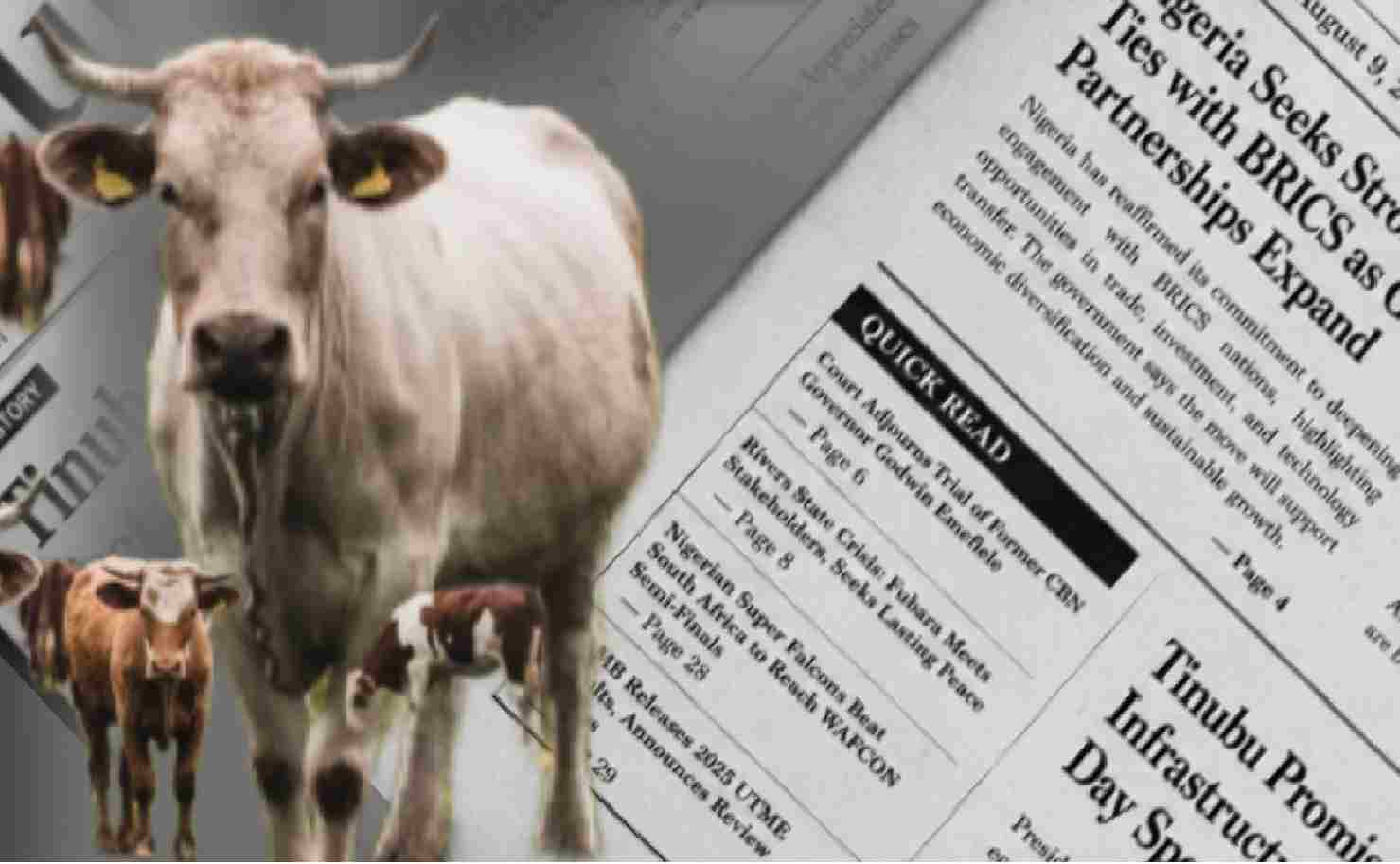
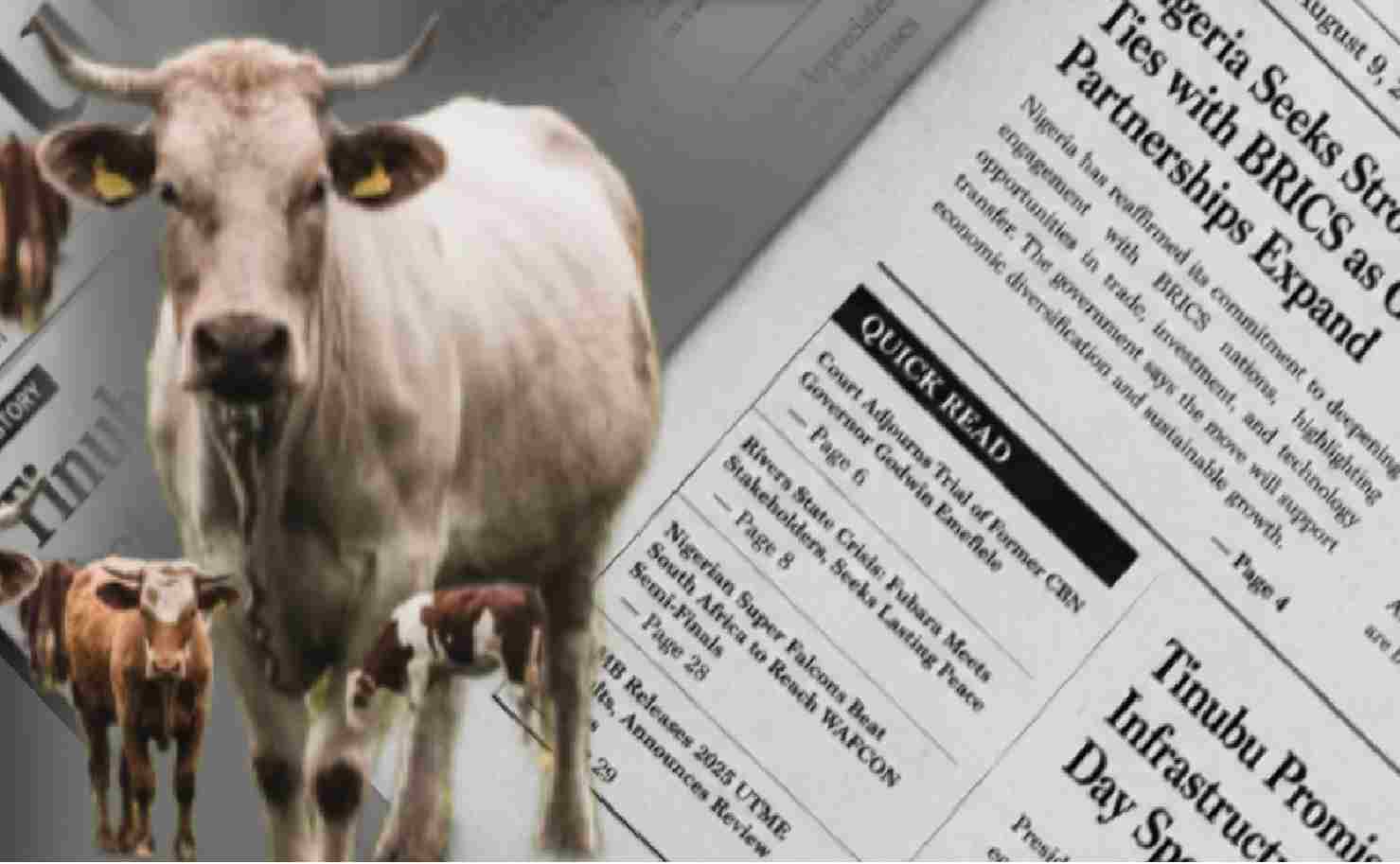
Livestock diseases have no national borders. Animals can move from one country to another through formal or informal routes, potentially carrying diseases into new populations.
The situation in Mayam is consequently more than an environmental or local mining dispute. It raises questions about Nigeria’s economic security, national security, environmental protection and the government’s ability to exercise control over its mineral resources.
Under the proposed digital registration system, every registered animal could receive a unique identity linked to information such as ownership, vaccination records, veterinary treatment and movement history.
The Minister of Power argued that the administration is confronting problems accumulated over roughly fifty years.
There is merit in recognising that Nigeria’s electricity challenges did not emerge overnight.
Can the Federal Government demonstrate that its technical and vocational programmes are turning public investment into employable skills, productive businesses and jobs?
If Parliament can obtain a credible answer to that question, its oversight exercise will have served a much greater purpose than compelling a minister to attend a hearing.