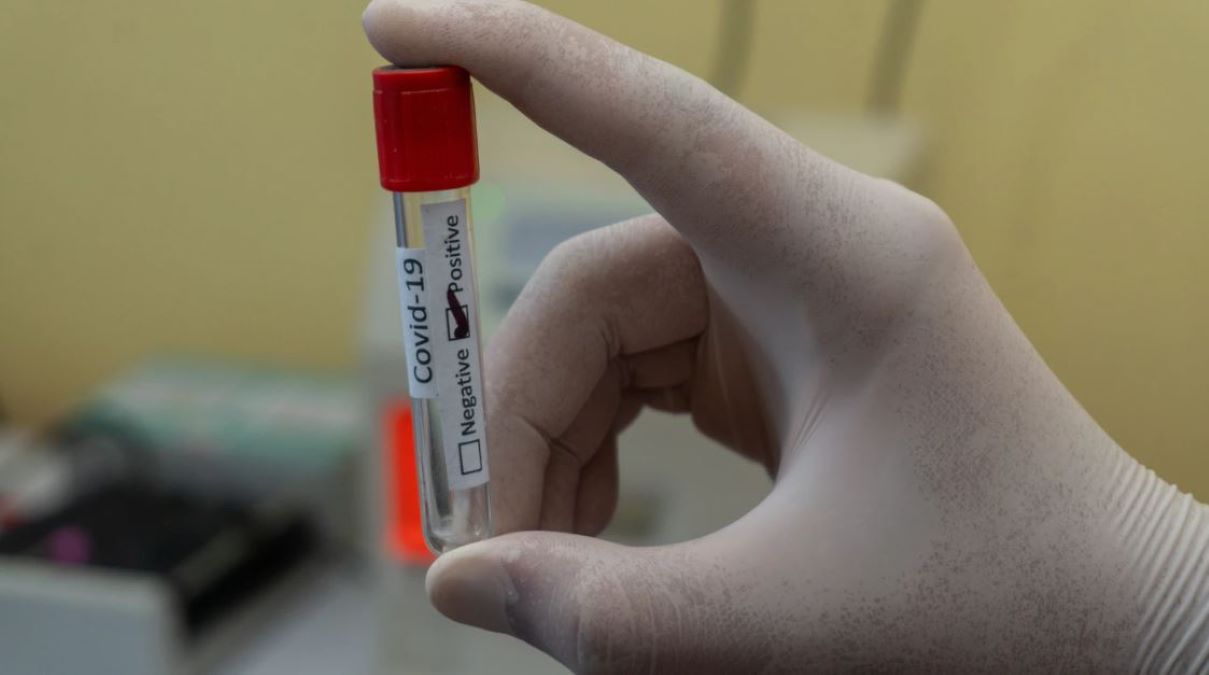

The Federal Government says it is intensifying efforts to eliminate malaria in Nigeria while strengthening domestic financing for healthcare to reduce the country’s dependence on external donors. The Coordinating Minister of Health and Social Welfare, Professor Muhammad Ali Pate, stated this while receiving the Board of Trustees of the Malaria Consortium on a courtesy visit to the ministry in Abuja.
The delegation visited the ministry to congratulate Nigeria on the reported decline in malaria parasite prevalence among children aged between six and 59 months. According to the figures presented, malaria parasite prevalence among children in the age group fell from 42 per cent in 2010 to 15 per cent in 2025.
Pate described the long-standing partnership between the Federal Ministry of Health’s National Malaria Elimination Programme and the Malaria Consortium as productive, saying the reduction demonstrated the impact of coordinated interventions. He said the government would intensify efforts to reduce the disease burden through improved diagnosis, access to quality and affordable malaria medicines and data-driven strategies at the subnational level.
Other interventions include seasonal malaria chemoprevention, insecticide-treated bed nets and the use of malaria vaccines where available. The government is also seeking to strengthen domestic financing for healthcare as part of a broader effort to reduce dependence on international donors.
The minister’s comments come as Nigeria continues to face the significant public-health burden associated with malaria, particularly among children. The Federal Government says sustained investment, improved surveillance and evidence-based interventions will be necessary to move from reducing malaria prevalence towards eventual elimination.
- INEC Trying to Reduce Vote-buying for 2027 Election as it Pleads for Media Support

- After Over 100 Years of Malaria Surveillance and Research in Nigeria, FG Targets Elimination With Health Financing
- Journalists Demand Better Welfare and Stronger Regulation of New Media



Malaria Elimination in Nigeria
Between the development of Nigeria’s systematic medical documentation and the late 19th and early 20th centuries, malaria was never simply regarded as an individual medical problem. The disease was always closely connected to living conditions, sanitation, healthcare infrastructure and the ability of authorities to reach communities with effective interventions.
By the 1940s, the scale was being scientifically measured. The work of Leonard Jan Bruce-Chwatt in the late 1940s provided detailed malaria statistics for the Lagos area, including extremely high infection rates among children in some southern districts. Nearly ten decades after Nigerian newspapers reported the devastating prevalence of malaria and criticized weaknesses in the country’s health infrastructure, the Federal Government is once again setting its sights on eliminating the disease.
The latest push marks a significant change in ambition.
In the 1940s, malaria was largely discussed as a disease that colonial authorities were struggling to control. Today, the Federal Government is talking about elimination, backed by modern diagnostics, medicines, insecticide-treated nets, seasonal malaria chemoprevention, vaccines and data-driven strategies.
But one issue links the two periods, the importance of a health system capable of sustaining the fight against malaria.
The Federal Government has now said it wants to strengthen domestic financing for healthcare and reduce Nigeria’s dependence on external donors as it intensifies efforts to eliminate malaria. The Coordinating Minister of Health and Social Welfare, Professor Muhammad Ali Pate, made the announcement while receiving the Board of Trustees of the Malaria Consortium in Abuja.
The meeting came as Nigeria records a substantial decline in malaria parasite prevalence among children. According to figures presented during the meeting, prevalence among children aged between six and 59 months fell from 42 per cent in 2010 to 15 per cent in 2025. The government says it intends to build on that progress rather than treat the decline as the end of the problem.
But Nigeria’s malaria story did not begin with today’s elimination campaign.
The decline in malaria prevalence is encouraging, but elimination is considerably more demanding than reduction. As disease prevalence falls, the remaining cases can become harder to identify and interrupt. Health authorities need to know where transmission is continuing, which populations remain most vulnerable and where interventions are failing to reach people.
The government’s commitment to data-driven strategies will therefore be crucial. It will also need to maintain political attention after malaria becomes less visible. This is one of the challenges of disease elimination. Success can make a problem less politically urgent even though removing the final stages of transmission may require greater precision and sustained investment.