
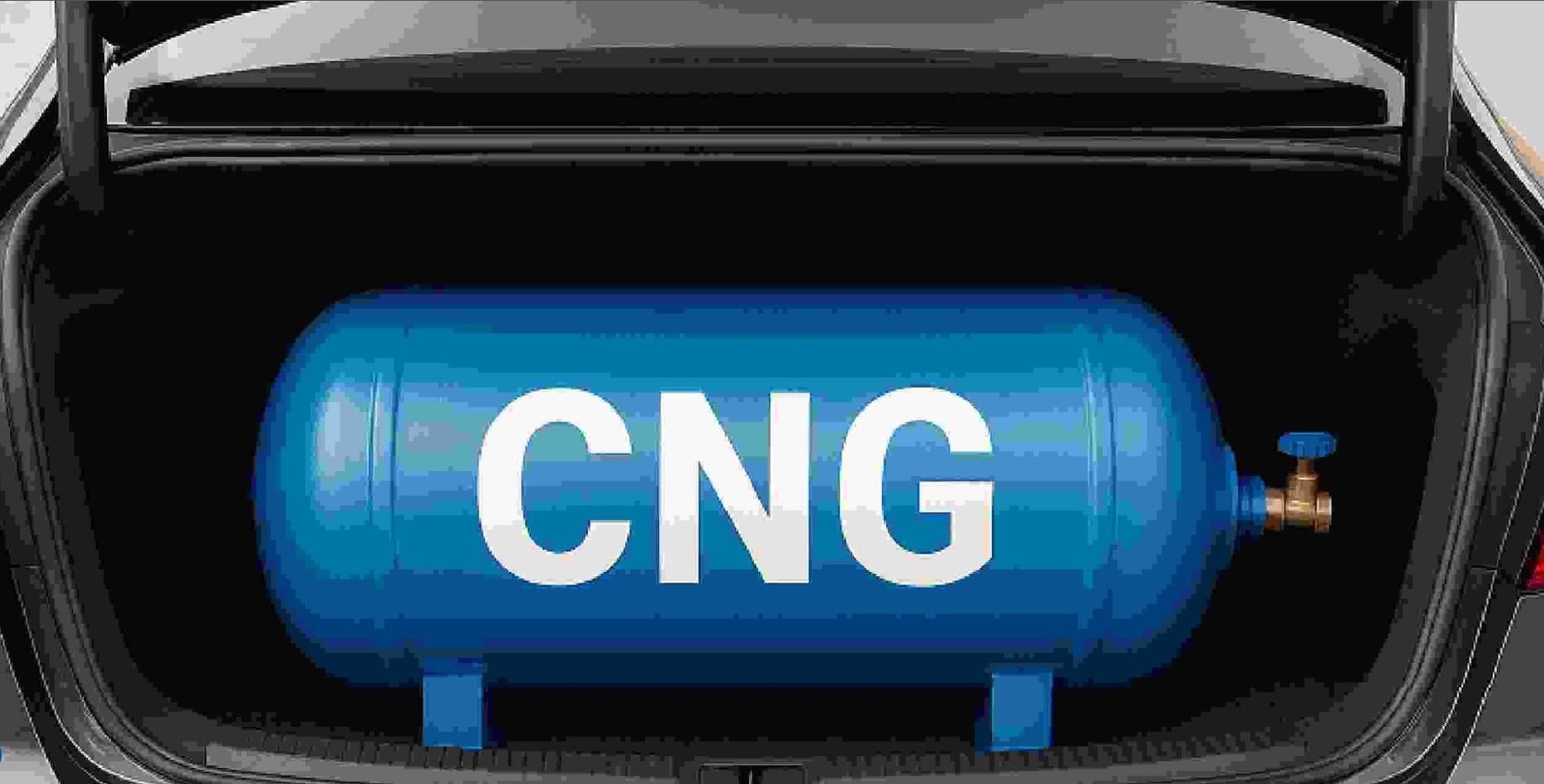
Nigeria is ramping up efforts to transform its transport sector as the Presidential Initiative on Compressed Natural Gas (CNG) and Electric Vehicles (EVs) expands programmes aimed at encouraging nationwide adoption of alternative fuel vehicles.
The initiative is part of broader government measures to reduce transportation costs for Nigerians. More so, to lessen dependence on petrol, particularly as global crude oil prices remain volatile due to ongoing geopolitical tensions affecting energy markets.
Officials say the programme will significantly expand the deployment of compressed natural gas and electromobility solutions across the country’s transport sector.
Expansion Across Public Transport and Logistics
Under the initiative, the government plans to scale up the introduction of CNG- and electric-powered vehicles across several segments of the transport system. Public buses, taxis, tricycles, logistics and delivery vehicles are the main targets.
The expansion is expected to make transportation more affordable and environmentally sustainable, while also reducing pressure on petrol demand.
Government Push for Alternative Energy
The initiative gained momentum after the fuel subsidy removal in 2023, which led to a sharp increase in petrol prices and higher transport fares across the country.
Authorities believe CNG-powered vehicles can significantly cut fuel costs because natural gas is cheaper and more abundant in Nigeria, which holds one of the largest gas reserves in Africa.
The Executive Chairman of the Presidential Initiative on CNG and EVs, speaking on the programme, said the expanded rollout aims to provide Nigerians with practical and cost-effective alternatives to petrol-powered vehicles.
Aligning with Nigeria’s Energy Transition
The push for gas-powered and electric mobility also aligns with Nigeria’s broader energy transition strategy, which seeks to utilize the country’s vast natural gas resources while gradually reducing carbon emissions.
Industry experts say widespread adoption of CNG and electric vehicles could lower transportation costs for commuters and businesses. Additionally, it could reduce fuel import pressures and improve urban air quality. It also has the potential to create new opportunities in vehicle conversion and energy infrastructure.
Infrastructure and Adoption Challenges
Despite the optimism, analysts note that expanding refueling and charging infrastructure will be critical for large-scale adoption.
The government has already begun encouraging private sector participation in the construction of CNG refueling stations, EV charging hubs, and vehicle conversion centres across major cities.